
How to Get More Impact With Less Waste
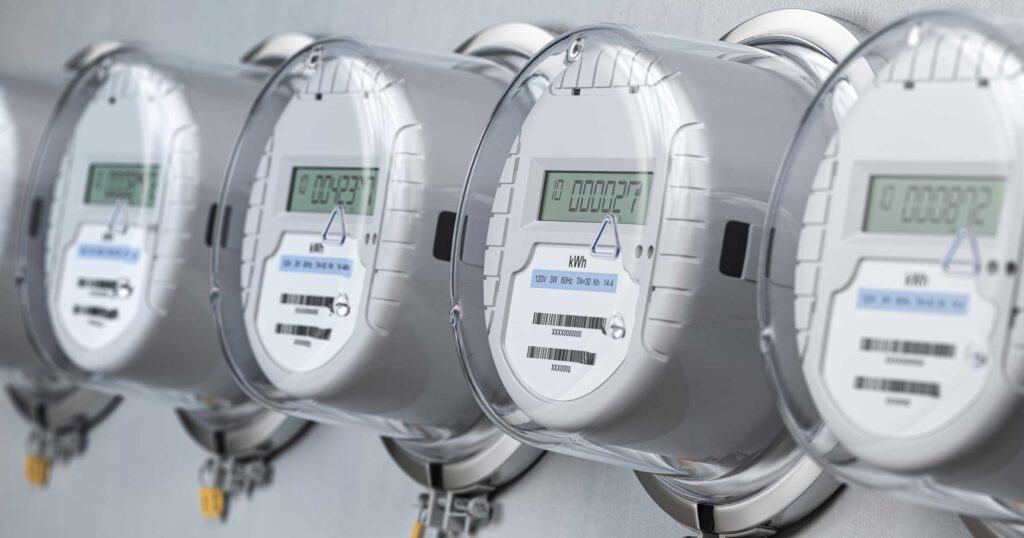
Energy efficiency in outdoor lighting isn’t just about using LED lamps. It’s about designing the system so every fixture has a purpose — and every beam lands where it should.
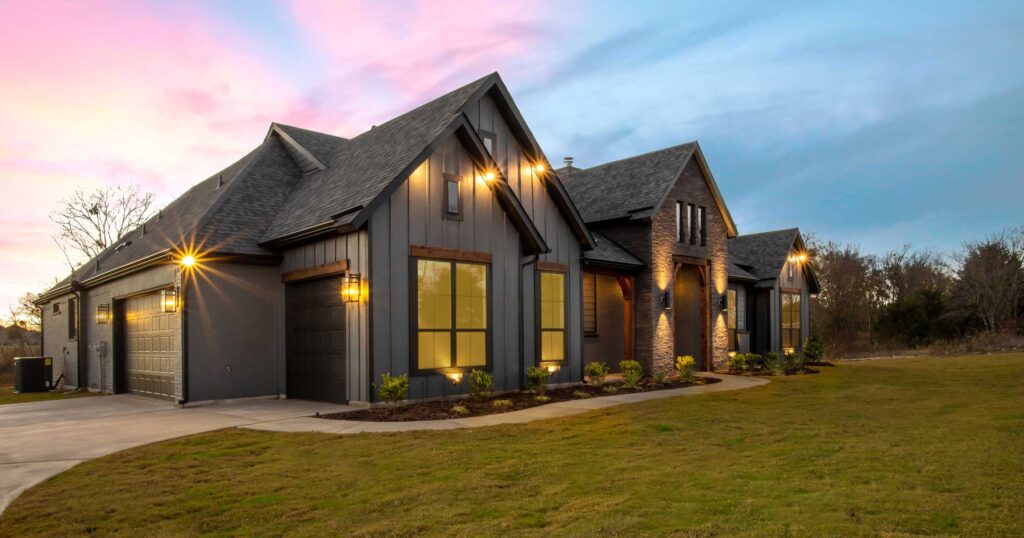
When lighting is planned correctly, you can achieve a high-end look without overlighting the property or running the system harder than necessary.
1) Efficient Lighting Starts With Design
The biggest efficiency wins often come from avoiding waste:
- Too many fixtures doing the same job
- Overly bright outputs that wash out the landscape
- Poor aiming that throws light into open space
- Lighting areas that don’t need to be lit all night
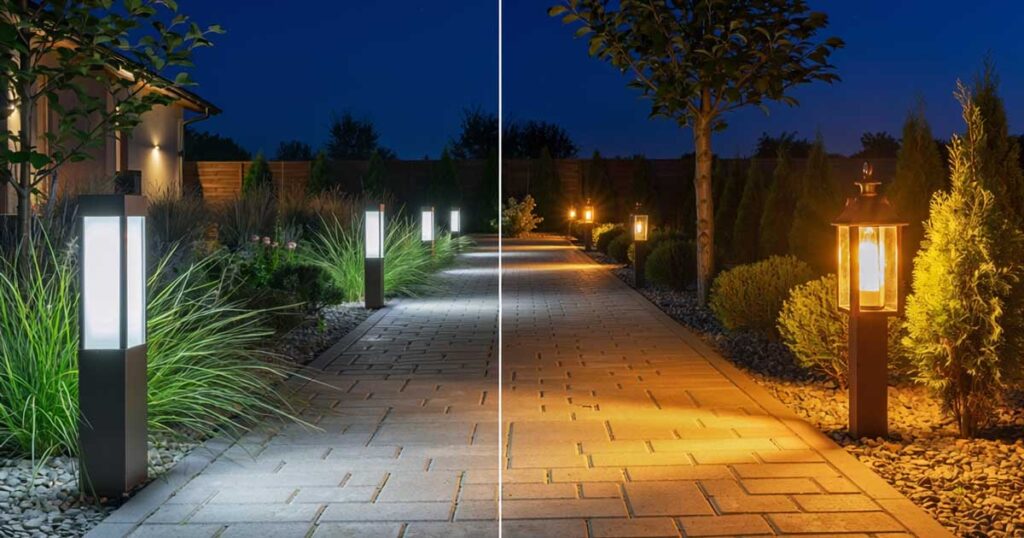
A cohesive plan uses contrast and layering so you get depth and visibility without brute force brightness.
2) Low-Voltage Systems: Performance Without Excess
Low-voltage outdoor lighting is popular because it’s designed for landscape environments and can deliver excellent results with efficient operation.
Paired with modern fixtures and a proper layout, low-voltage systems can create a premium look while keeping energy use controlled.
3) Use Controls to Reduce Runtime (Without Losing the Look)
Controls are where efficiency becomes practical. Instead of “on at dusk, off at dawn,” you can design scenes that match how you actually use the property:
- Evening Scene: Full ambiance for entertaining and arriving home
- Late Night Scene: Reduced output focusing on safety and navigation
- Seasonal Adjustments: Timers that account for changing sunset times
- Zones: Light only the areas you need, when you need them
4) Brightness Is Not the Same as Quality
Many inefficient systems are simply too bright. Premium outdoor lighting uses balance:
- Define edges and transitions instead of flooding everything
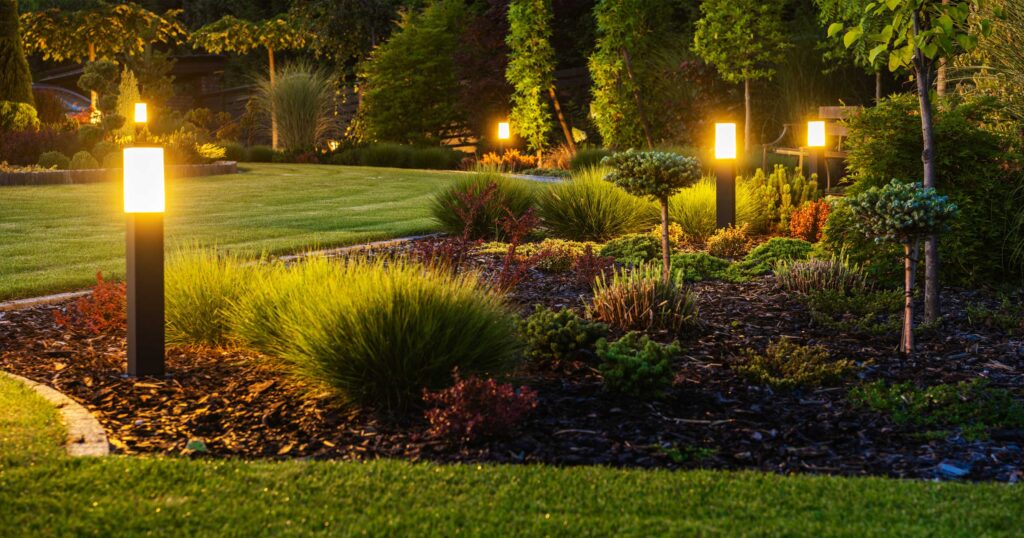
- Highlight focal points and let the background fall away
- Avoid glare that makes spaces feel uncomfortable
Better design often means you can use less light — and the property will look more refined.
5) Efficiency Also Means Less Maintenance
An efficient system isn’t only about energy — it’s also about fewer interruptions. A well-designed plan reduces the need for frequent adjustments and service calls, and supports long-term performance with ongoing support options.
How Hampton Lights Builds Efficient Lighting Systems
Our process is intentionally structured: Consultation → Design → Installation → Ongoing Support. We plan the system around your property and lifestyle, install cleanly, and refine after dark so the lighting looks balanced and intentional — without waste.
Want an Efficient System That Still Looks High-End?
Schedule a consultation and we’ll recommend a design that delivers impact, comfort, and control — without overdoing it.