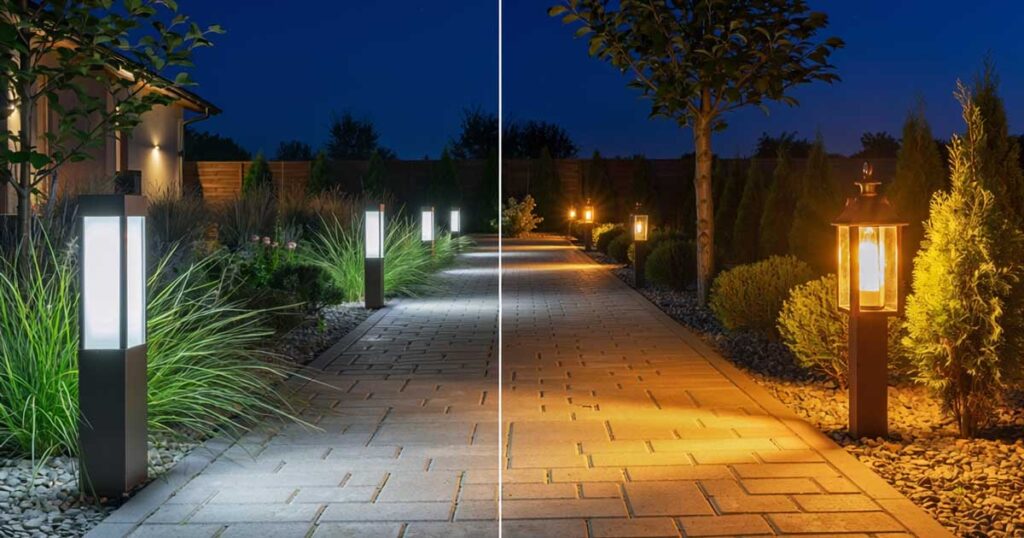

If you’re comparing outdoor lighting options, you’ll almost always run into the same question: LED or halogen? Both can look great — but they behave very differently over time, especially outdoors.
Below is a straightforward guide to help you understand the tradeoffs, the practical benefits, and why most modern outdoor lighting designs lean heavily toward LED.
At a Glance: LED vs Halogen
- LED: Efficient, long-lasting, lower heat, typically lower maintenance
- Halogen: Warmer “classic” look, but higher energy use and more frequent lamp replacement
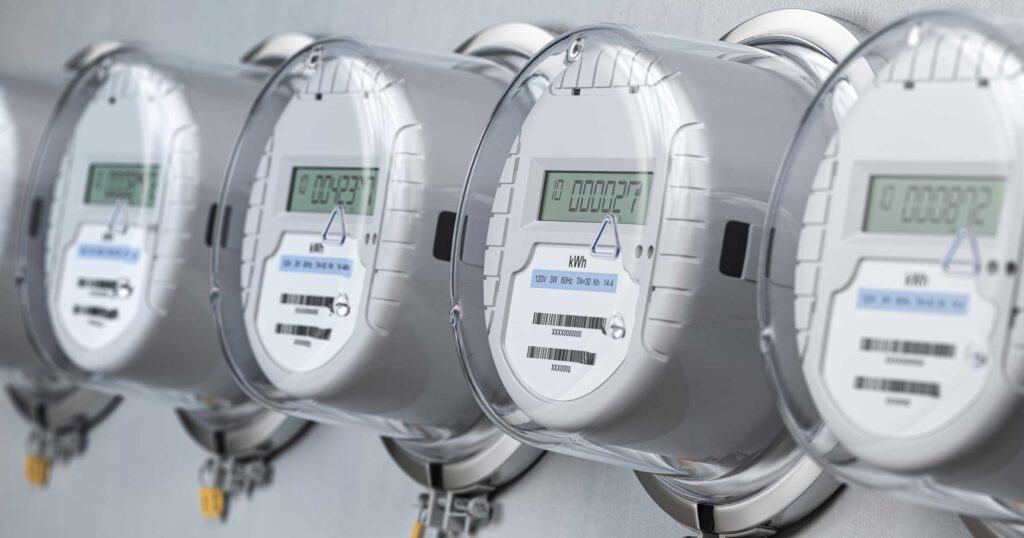
1) Efficiency and Operating Cost
LED systems typically use far less power than halogen systems for comparable usable light. That means lower energy use over time — especially important for landscapes with multiple fixtures and long runtime schedules.
2) Longevity and Maintenance
Outdoor lighting is exposed to weather, irrigation, temperature swings, and seasonal use. A major advantage of LED is reduced maintenance — fewer lamp changes and less disruption over the life of the system.
Halogen lamps generally require more frequent replacements, particularly in systems that run regularly.
3) Heat Output (And Why It Matters)
Halogen produces significantly more heat. That can affect fixture performance, lamp life, and the surrounding environment. LED runs cooler, which can be a practical advantage for many installations.
4) Light Quality and “Warmth”
One reason halogen stayed popular for so long is the warm, familiar look. But modern LED technology can achieve warm, comfortable light as well — and good design can make LED feel natural and cohesive.
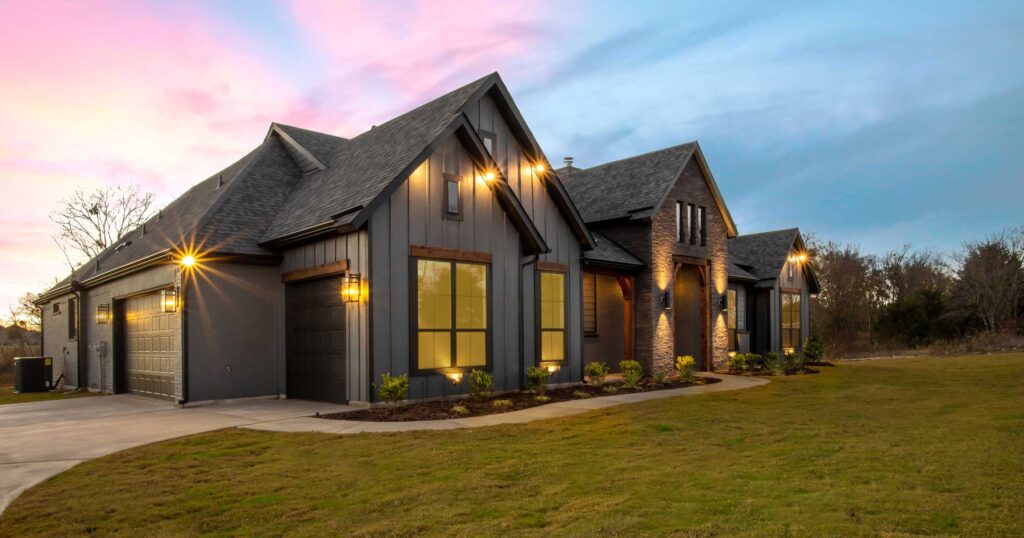
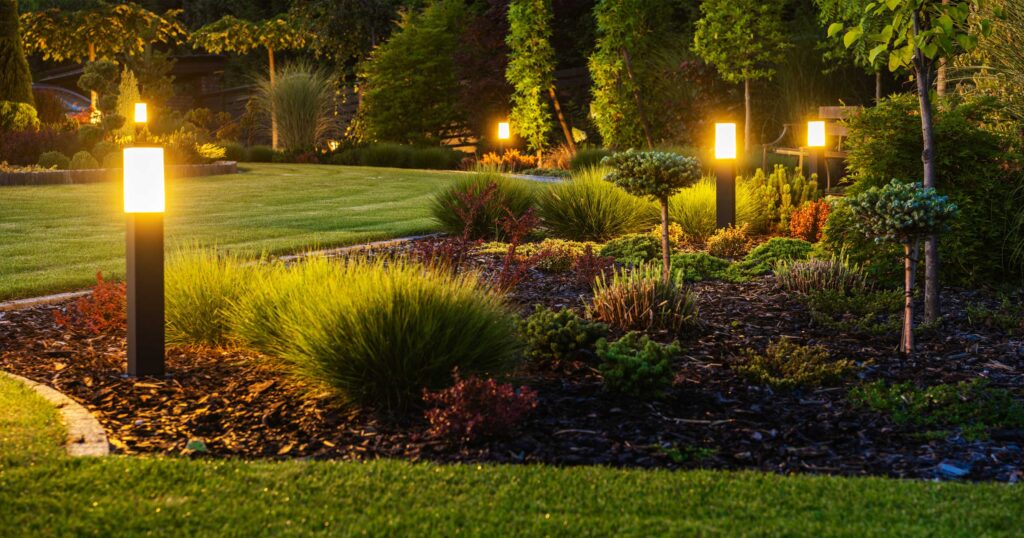
The key isn’t just the lamp type — it’s the design: beam spread, placement, aiming, brightness, and how the whole property balances together after dark.
5) Dimming and Control Options
Many homeowners want lighting scenes: entertaining mode, late-night subtle mode, security mode, seasonal adjustments, and automation. LED systems commonly pair well with modern controls — timers, smart automation, and zoning — depending on the system design.
So Which Should You Choose?
In most cases, LED is the practical, modern choice due to efficiency and reduced maintenance. Halogen can still make sense in specific scenarios or when matching an existing system — but for new installations, LED often delivers the best long-term experience.
How Hampton Lights Helps You Decide
We don’t start with fixtures — we start with goals. Our approach follows a clear flow: Consultation → Design → Installation → Ongoing Support. That ensures the system fits the property, looks intentional at night, and performs reliably over time.
Want the Best Answer for Your Property?
Schedule a consultation and we’ll recommend the right approach based on layout, usage, and the look you want after dark.