
How to Spot Quality (and Avoid Harsh Results)
Most outdoor lighting problems aren’t caused by “bad fixtures.” They’re caused by design choices: too much brightness, poor placement, and a lack of overall plan. If you want lighting that feels comfortable and premium, these principles will help you recognize good design — and avoid harsh, random results.1) Start With the Feeling, Not the Fixture
Ask: How should the space feel at night? Warm and relaxed? Crisp and modern? Subtle and quiet? Design decisions should support that goal.2) Use Layering (Not Flooding)
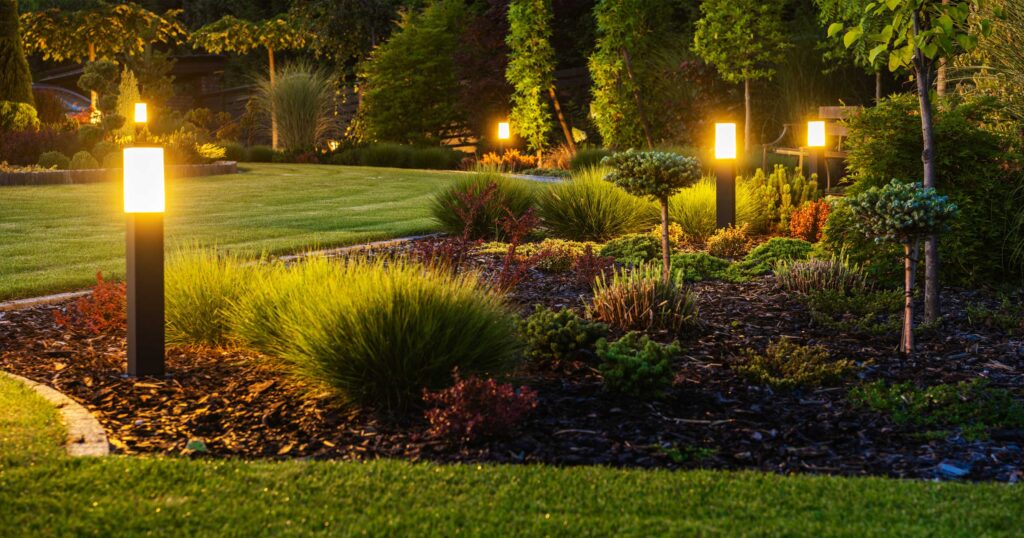
High-end lighting uses layers. Instead of blasting one bright source, a cohesive design combines:- Guidance lighting: Walkways, steps, transitions
- Accent lighting: Trees, textures, focal points
- Ambient presence: A balanced glow that connects zones
3) Aim for Contrast and Depth
Depth comes from contrast — light and shadow working together. If everything is equally bright, the property can look flat and uncomfortable.- Highlight focal points and let secondary areas recede
- Create dimension with grazing and selective uplighting
- Avoid overlighting the background
4) Control Glare (This Is the Big One)
Glare ruins otherwise good lighting. A fixture that is visible in your line of sight can be uncomfortable — and it often makes the surrounding area feel darker by comparison. Good design hides sources, controls beam angles, and keeps brightness appropriate to the space.5) Light the “Edges” of Movement
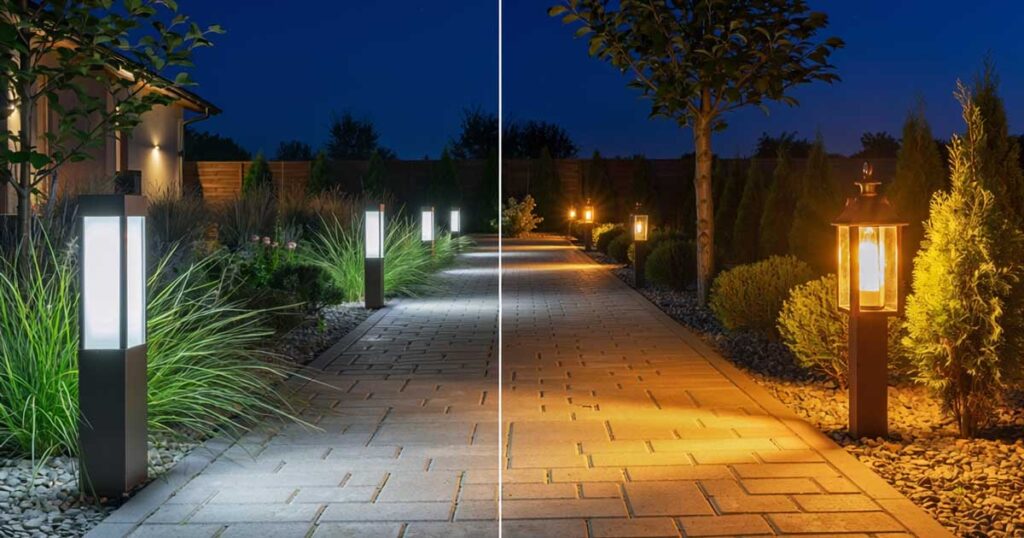
Paths and driveways look best when you define their edges and transitions — not when you point bright lights directly at people walking. That’s how you create guidance that feels natural and safe.6) Treat Plants and Features Differently
A mature tree should not be lit the same way as a garden bed or stone wall. Each element needs different beam spread, intensity, and placement.7) Refine After Dark
Outdoor lighting needs nighttime refinement. Even a well-planned installation benefits from after-dark adjustments: aiming, balancing brightness, tightening focal points, and ensuring the whole property feels cohesive.How Hampton Lights Designs Outdoor Lighting
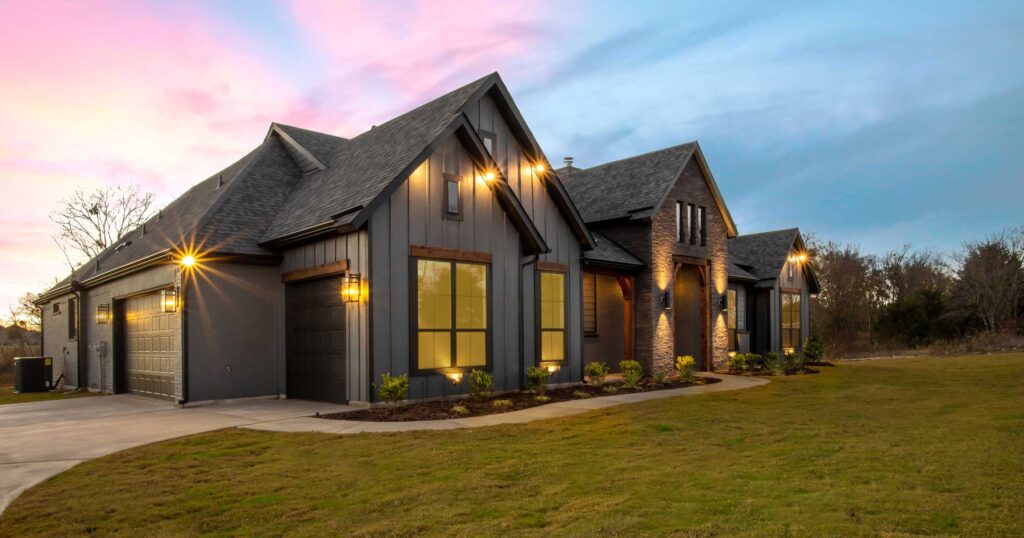
We follow a clear process: Consultation → Design → Installation → Ongoing Support. We create a plan that fits your property and goals, install with care, and refine after dark so the lighting feels comfortable, intentional, and polished.Want Lighting That Looks Designed — Not Random?
Schedule a consultation and we’ll help you build a plan that makes your property feel cohesive and premium after dark.FAQ: Outdoor Lighting Design
How do I avoid “runway lights” along a walkway?
Use appropriate spacing, controlled brightness, and placement that defines movement without drawing attention to the fixtures themselves.
What’s the biggest sign of poor design?
Glare and harsh brightness. If you’re squinting or seeing hotspots, the system likely needs re-aiming, better placement, or a different approach.
Can an existing system be improved without starting over?
Often, yes — through re-aiming, balancing brightness, replacing select fixtures, and improving zoning/controls.